Real Ceylon Cinnamon vs Fake: What Every Tourist Needs to Know Before Buying
Most cinnamon sold globally is not real cinnamon — it's cassia. In Sri Lanka, you can buy the real thing. Here's how to spot it, where to buy it, and why it matters.
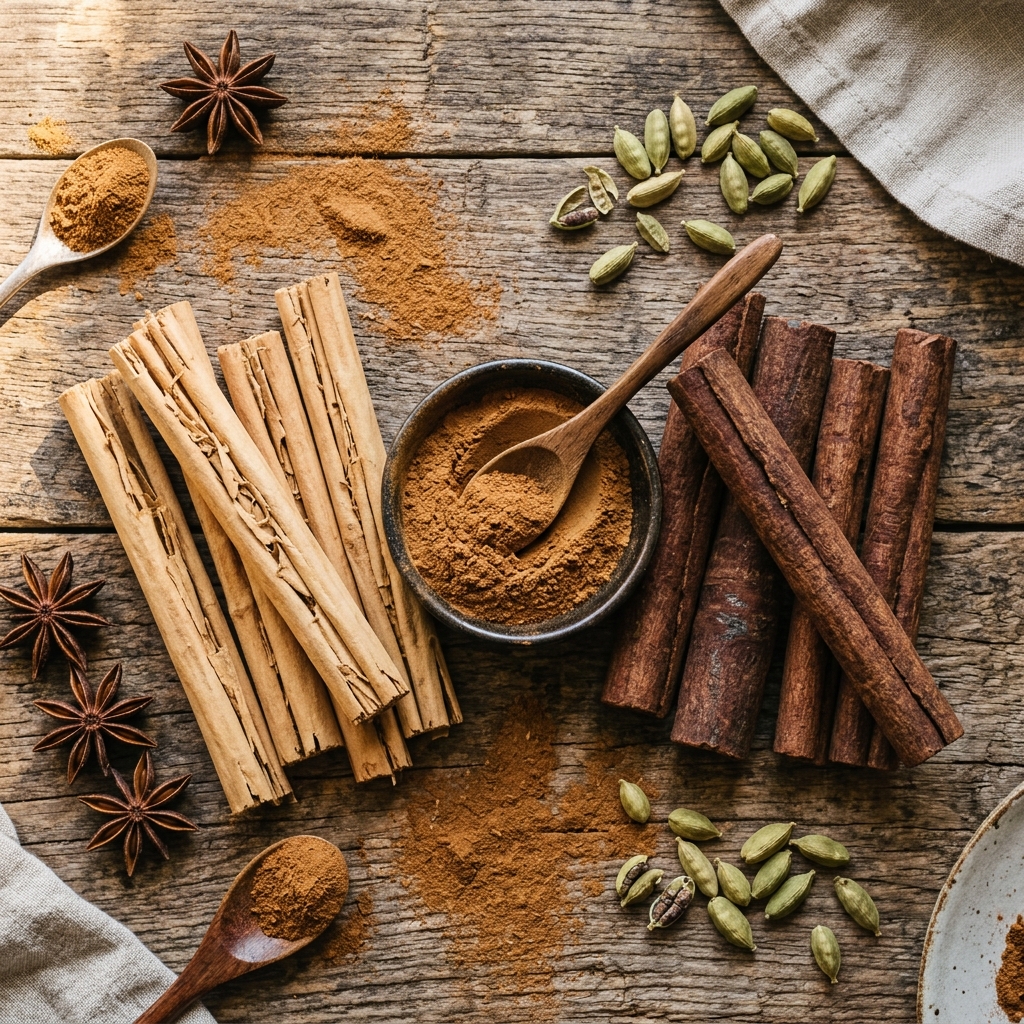
Real Ceylon Cinnamon vs Fake: What Every Tourist Needs to Know Before Buying
Here is a fact that surprises most people: the cinnamon sitting in your kitchen at home is almost certainly not real cinnamon. It is cassia — a related but different spice from Indonesia or China, which is cheaper and more widely available.
True Ceylon cinnamon (Cinnamomum verum) comes almost exclusively from Sri Lanka, which produces over 90% of the world's supply. When you are in Sri Lanka, you have the extraordinary opportunity to buy the real thing — but you need to know what you are doing.
What is the Difference Between Ceylon Cinnamon and Cassia?
| Feature | Ceylon Cinnamon | Cassia |
|---|---|---|
| Origin | Sri Lanka | Indonesia, China, Vietnam |
| Bark appearance | Thin, multiple layers rolled together | Single thick, hard layer |
| Colour | Light tan/beige | Dark reddish-brown |
| Flavour | Delicate, sweet, complex | Stronger, more pungent |
| Coumarin content | Very low (safe in large quantities) | High (can cause liver damage in excess) |
| Price | More expensive | Cheap |
| What you probably have | ❌ Rarely | ✅ Almost certainly |
How to Identify Real Ceylon Cinnamon
Look at the Stick
Real Ceylon cinnamon sticks are made of multiple thin layers of bark rolled together, like a cigar. When you cut the stick, it looks like a scroll with many layers.
Cassia sticks have one thick, hard layer — more like a rolled piece of thick bark. They are difficult to break cleanly because the bark is tough.
Feel the Texture
Ceylon cinnamon is crumbly and fragile — you can grind it by rubbing between your fingers. Cassia is hard — you need a grater or coffee grinder.
Smell the Difference
Ceylon cinnamon has a delicate, nuanced fragrance — floral, slightly sweet, complex. Cassia is more aggressively spicy — the 'big cinnamon' smell most people associate with cinnamon.
Check the Colour
Ceylon: Light tan, almost beige Cassia: Dark reddish-brown
Look for Certification
Authentic Ceylon cinnamon sold in Sri Lanka should carry Sri Lanka Standards Institute (SLSI) certification. Look for this mark on packaged products.
Where to Buy Authentic Ceylon Cinnamon in Sri Lanka
Spice Gardens (Best Quality)
Visit a dedicated spice garden — especially in Matale (near Kandy) or along the south coast. Here you can see cinnamon trees growing, watch the peeling process, and buy directly from the producer.
Recommended: Matale Spice Garden (Kandy area) — run by the National Spice Council, guaranteed authentic
Galle Fort Shops
The boutique spice shops inside Galle Fort carry high-quality, packaged Ceylon cinnamon with certification. Expect to pay slightly more but quality is guaranteed.
Supermarkets (Convenience)
Keells, Cargills, and Arpico supermarkets across Sri Lanka stock certified Ceylon cinnamon in proper packaging. Look for 'True Cinnamon' labelling.
Avoid
❌ Street stalls near tourist sites (Sigiriya, Kandy) selling unlabelled spice packages — quality and authenticity highly variable ❌ Cinnamon sold by tuk-tuk drivers or 'spice gardens' that only materialise after you accept a 'free tour'
How Much Should Ceylon Cinnamon Cost?
In Sri Lanka:
- Ground Ceylon cinnamon: LKR 200–500 ($0.60–$1.50) per 100g
- Sticks (premium): LKR 300–800 ($1–2.50) per pack
In the UK/US (comparison):
- Ground Ceylon cinnamon: $8–20 per 100g
You are paying roughly 10x less in Sri Lanka. Buy generously and bring some home — it stays fresh for 12–18 months in an airtight container.
Why the Health Difference Matters
Cassia contains significant amounts of coumarin — a natural compound that can cause liver damage when consumed in large quantities over time. The EU and Germany have published safety advisories about regular cassia consumption.
Ceylon cinnamon contains negligible coumarin — it is considered safe even in large culinary amounts. For anyone who adds cinnamon to smoothies, oatmeal, or coffee daily, switching to true Ceylon cinnamon is a meaningful health upgrade.
Other Spices Worth Buying in Sri Lanka
While you are at a spice garden, consider also:
- Black pepper: Sri Lanka produces some of the world's finest black pepper
- Cardamom: Grown in the hill country — intensely fragrant green pods
- Cloves: Sri Lanka is one of the few countries where cloves still grow prolifically
- Turmeric: Freshly dried Sri Lankan turmeric is a vivid orange, far more potent than supermarket powder
- Nutmeg: Both the nut and the mace (the covering) available fresh
All of these make excellent souvenirs — lightweight, valuable at home, and genuinely unique to Sri Lanka.
Explore what else to buy in Sri Lanka →
Written by the CeylonRoute editorial team
Verified by SLTDA-certified local guides. Our process