Trincomalee Beach Guide 2026 — Sri Lanka's Most Beautiful Hidden Coast
Trincomalee is Sri Lanka's best-kept secret: pristine white sand beaches, reef sharks, Blue Whales, and not a tourist in sight. Your complete 2026 guide to the east coast gem.
Trincomalee Beach Guide 2026 — Sri Lanka's Most Beautiful Hidden Coast
If you ask most international tourists which is the best beach area in Sri Lanka, they will say Mirissa or Unawatuna. These are fine beaches. But those who know Sri Lanka well will tell you a different story: Trincomalee is in a completely different league.
Trincomalee (or 'Trinco' to anyone who has been) is Sri Lanka's most beautiful and undervisited beach destination — a vast, deep-water natural harbour on the northeast coast, flanked by beaches of impossibly white sand and crystal-clear water, surrounded by coral reefs, and shared with Blue Whales, reef sharks, and sea turtles.
Here is everything you need to know.
When to Visit Trincomalee
Trincomalee is a May to September destination. During this period, the east coast operates under dry, sunny, calm conditions while the south and west coast experience their southwest monsoon.
| Month | Conditions |
|---|---|
| May–June | Season opens. Warming up. Fewer tourists. |
| July–August | Peak east coast season. Best snorkelling and whale watching. |
| September | Still good. Ocean can get windier. |
| October–April | Avoid — northeast monsoon affects this coast. |
The Beaches of Trincomalee
Uppuveli Beach — Best Overall
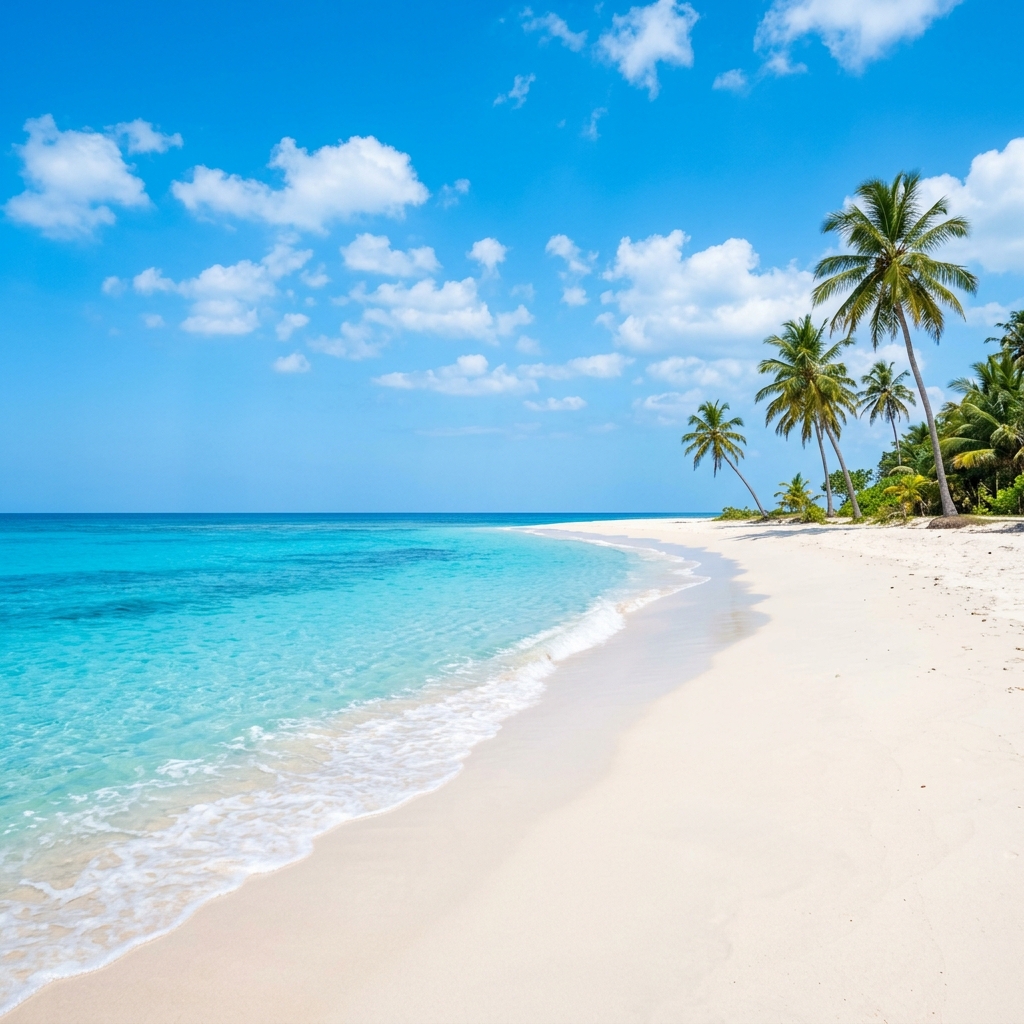
Location: 5km north of Trincomalee town What makes it special: A 3km arc of white sand with gentle, swimmable waves, plenty of shade from casuarina trees, and a relaxed cluster of guesthouses and restaurants. The water is a stunning shade of clear turquoise.
Uppuveli is the most popular of Trinco's beaches — and even in high season, it feels empty compared to Mirissa or Unawatuna. This is the best base for most visitors.
Best for: Swimming, sunbathing, snorkelling from shore, whale watching boat trips
Nilaveli Beach — The Long White Arc
Location: 16km north of Trincomalee town What makes it special: Arguably Sri Lanka's most beautiful beach on a purely visual basis. The sand is brilliant white, almost painfully bright in the sun. The sea is a deep, clear blue-green, and the beach stretches as far as you can see.
Nilaveli is the departure point for Pigeon Island National Park boat trips — a 10-minute ride from here.
Best for: Families, snorkellers heading to Pigeon Island, photographers
Marble Beach — The Secret Spot
Location: Inside the Sri Lanka Navy base area (access can be arranged) What makes it special: A sheltered cove of extraordinarily clear, calm water. The name comes from the smoothness of the sea surface.
Note: This beach sits within a naval area — access arrangements change. Ask locals or your guesthouse about current access when you arrive.
Pigeon Island National Park — Sri Lanka's Best Snorkelling
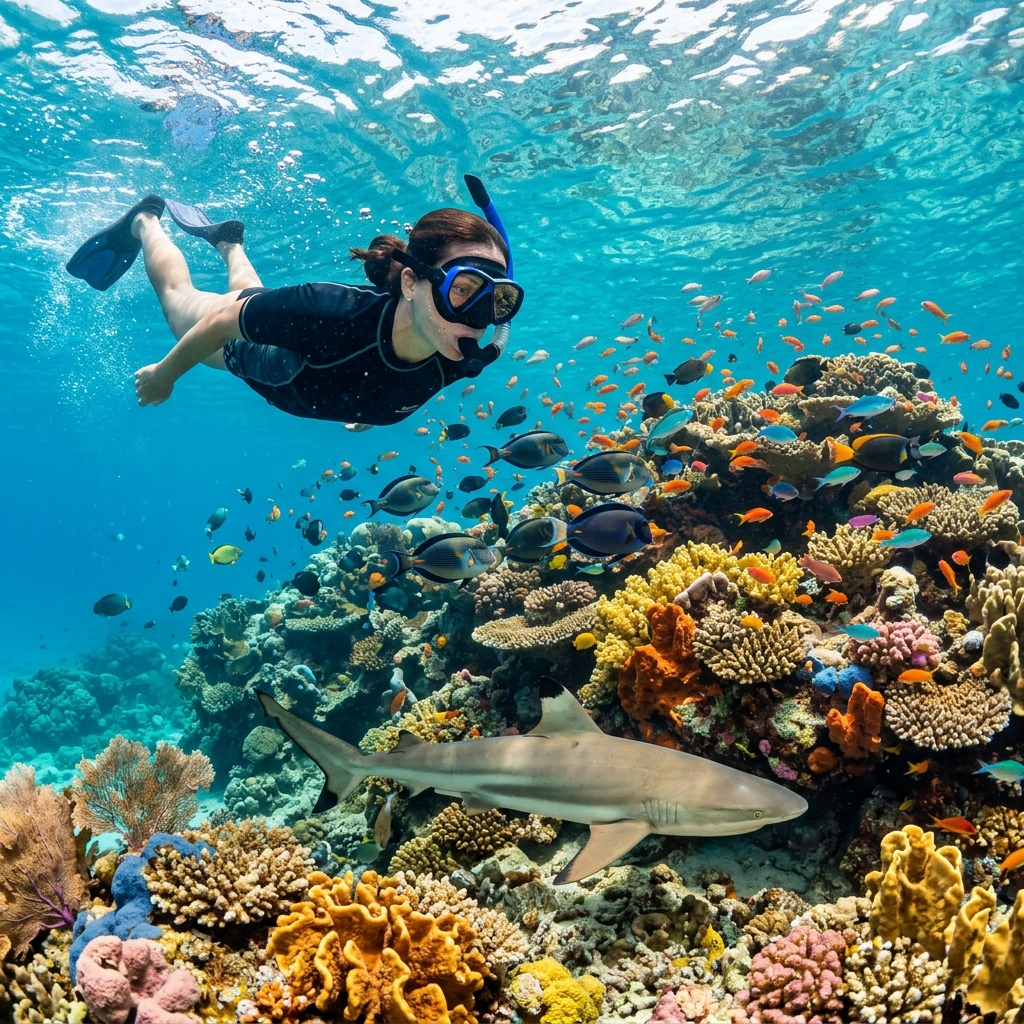
Just 1km offshore from Nilaveli beach, Pigeon Island National Park is one of the most impressive snorkelling spots in the Indian Ocean.
What You'll See
- Blacktip Reef Sharks: Dozens of them, completely harmless, swimming lazily in the shallows. A bucket-list moment.
- Sea Turtles: Green and Hawksbill turtles graze the coral. Encounters are common.
- Coral Garden: Healthy hard and soft coral reef, particularly around the island's eastern side
- Tropical Fish: Parrotfish, butterflyfish, surgeonfish, lionfish
Practical Details
| Item | Details |
|---|---|
| Boat trip | $5–10 return from Nilaveli |
| Entry fee | ~$15 USD |
| Equipment | Mask/fins available to rent at the beach ($3–5) |
| Duration | 2–3 hours comfortably |
| Best time | 9 AM – 12 PM (calmest water, best visibility) |
Important: Snorkelling quality depends heavily on sea conditions. In rough weather the visibility drops significantly. Ask your boatman honestly before paying if conditions are good that day.
Whale Watching in Trincomalee
Trincomalee is one of the world's best places to see Blue Whales — the largest animals on Earth. The deep Trincomalee Bay is a feeding ground for resident Blue Whales year-round, with peak sightings from June to September.
Cost: $30–50 per person for a 3–4 hour boat tour Best months: June, July, August What you might see: Blue whales, Sperm whales, Spinner dolphins, Bottlenose dolphins
Tip: Trincomalee whale watching is considered more ethical than Mirissa (south coast) because the whales here are truly resident — the boats come to the whales' territory, not the other way around. The guides generally maintain better distance protocols too.
Koneswaram Temple — The Cliff Temple
Perched on top of Swami Rock — a sheer cliff dropping 130m into the bay — the ancient Hindu Koneswaram Temple is one of the most dramatically situated religious sites in Asia.
The temple itself is over 2,000 years old. The location is breathtaking: from the cliff edge, you see Trincomalee Bay spread below, ships at anchor, and on a clear day, the open Indian Ocean to the east.
Entry: Free (modest dress required) Best time to visit: Late afternoon for golden light on the bay
Fort Frederick — Colonial History on a Headland
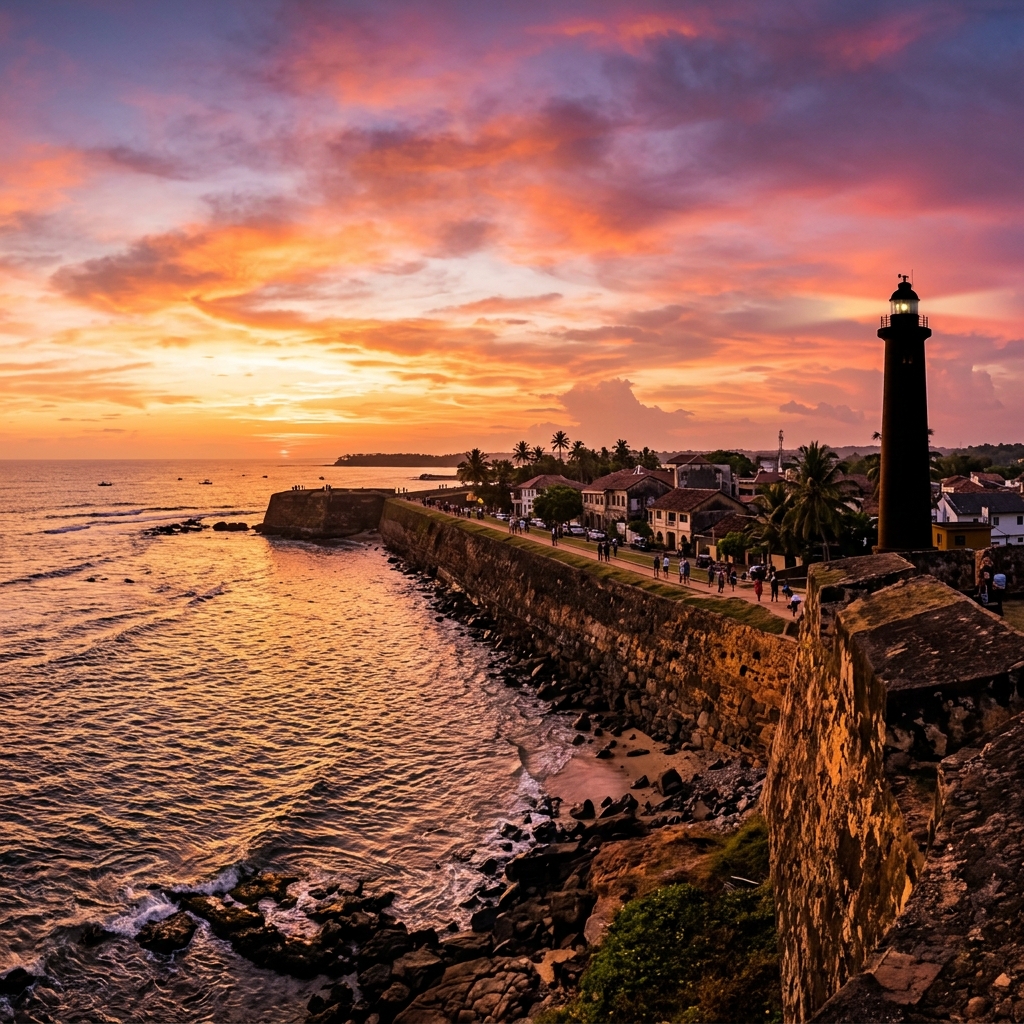
Built by the Portuguese in the early 1600s and later occupied by the Dutch and British, Fort Frederick stands on the headland above Swami Rock. The fort walls are now partially open to visitors, and the view over the bay from the battlements is superb.
Free to enter. A pleasant 30-minute walk.
Getting to Trincomalee
| Route | Duration | Cost |
|---|---|---|
| Private driver from Colombo | 5–6 hrs | $70–90 |
| Train from Colombo (Intercity) | 7–8 hrs | $4–8 |
| Bus from Colombo | 6–7 hrs | $3–5 |
| Train from Kandy | 5 hrs | $3 |
Our recommendation: Hire a private driver from Colombo directly. The journey passes through the Cultural Triangle (Habarana/Anuradhapura area), so you can combine a Sigiriya stop en route.
Where to Stay in Trincomalee
Budget (Uppuveli): Rice N Roll Cabanas, Coconut Beach Lodge — $20–40/night Mid-range (Nilaveli/Uppuveli): Nilaveli Beach Hotel — $70–120/night Luxury: Jungle Beach by Uga Escapes — $180–280/night (best luxury resort in the area)
Plan your east coast Sri Lanka itinerary →
Written by the CeylonRoute editorial team
Verified by SLTDA-certified local guides. Our process